
Lead Generation Systems for Sustainable Business Growth | Justin Digital Marketing Agency
Hero visual:AI-driven site builder in a premium office
Lead Generation Systems

Lead Generation Systems for Sustainable Business Growth

Practical, repeatable frameworks to attract, nurture, and convert high-quality leads. Built for business owners, with clear steps and measurable outcomes.

Introduction

This article equips business owners with a practical, SEO-ready framework for building robust lead generation systems. You’ll learn how to attract qualified prospects, nurture them with timely content, and convert them into loyal customers—without hype or fluff.

You’ll find real-world steps, concrete examples, and actionable tips you can implement this week. The goal is to help you improve online visibility, authority, and conversions while keeping the user experience clean and fast.

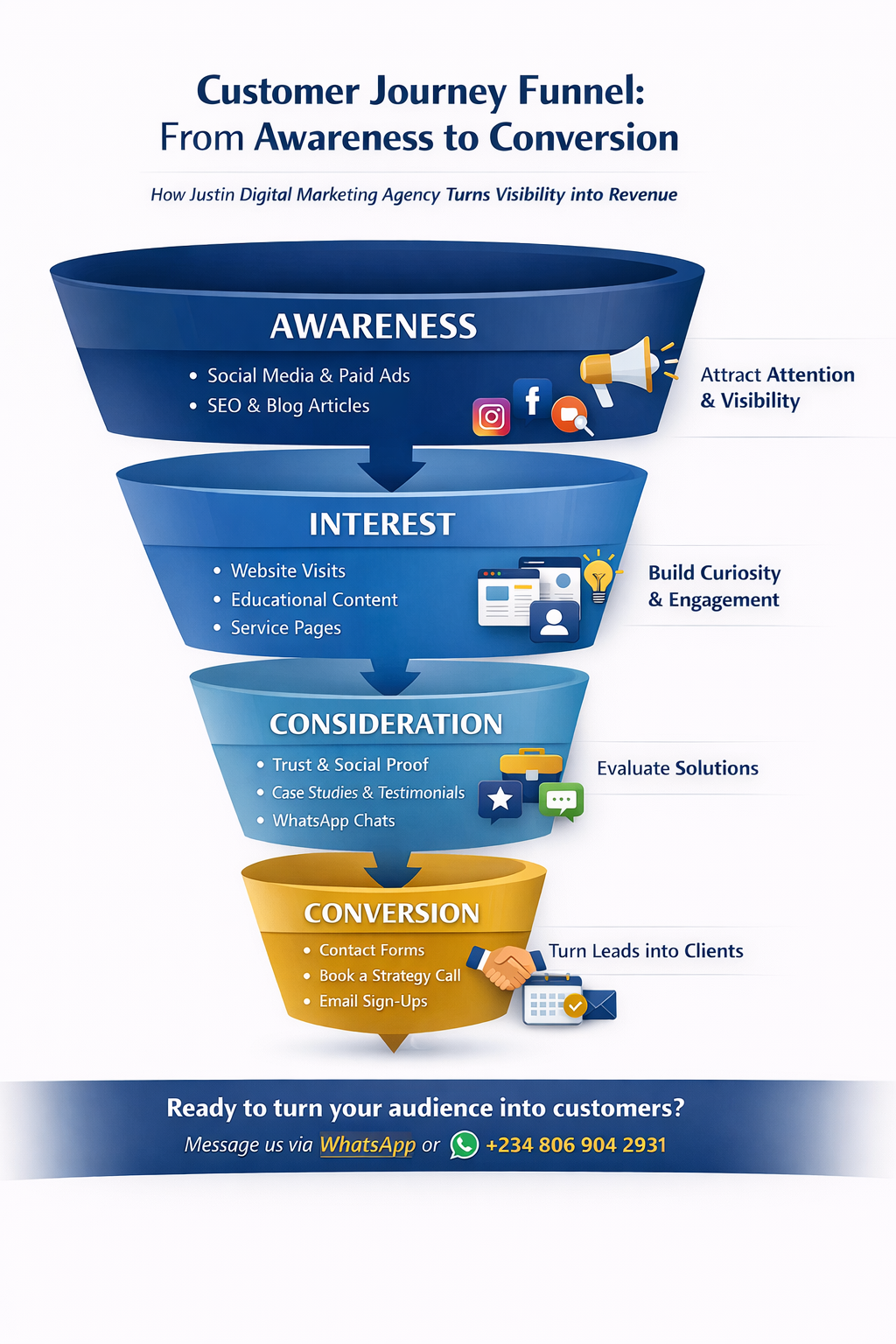
Overview graphic: funnel from awareness to conversion

Problem and Benefit

  • Inconsistent lead quality and unreliable pipeline predictability.
  • Time wasted on manual follow-ups and fragmented data across tools.
  • Difficulty proving ROI of marketing efforts to stakeholders.

Implementing a structured lead generation system aligns content, channels, and follow-up with measurable outcomes. The benefit is a repeatable engine that scales as you grow.

Infographic of a marketing funnel from awareness to conversion

Core Concepts for Growth

Module 1: Traffic to Lead Conversion

Design landing experiences that reduce friction and guide visitors toward action. Combine value-driven content with clear CTAs and a minimal form to maximize completion rates.

  • Clarity: One primary offer per page.
  • Form best practices: Minimal fields, progressive disclosure.
  • A/B testing: Test headlines, color, and CTA copy.

Tip: Use a lead magnet aligned to your core service to increase signup velocity.

Team reviewing a landing page wireframe

Module 2: Lead Nurturing Workflows

Build automated, personalized nurture sequences that move leads through the funnel with relevant content, timing, and channel-appropriate touchpoints.

  • Segment based on engagement signals.
  • Drip emails, retargeting, and retargeted ads coordination.
  • Clear handoffs to sales with context and next steps.

Note: Automations should feel human and contextual, not robotic.

Marketing automation dashboard with nurture sequences

Module 3: Measurement & Optimization

Establish a simple analytics framework: track funnel drop-offs, attribution, and ROI. Use insights to iterate quickly and prove value to stakeholders.

  • Define a minimal set of key metrics (leads, MQLs, close rate).
  • Implement lightweight attribution to identify high-impact channels.
  • Run monthly optimization sprints to test improvements.

Insight: Begin with a clean data layer to ensure trustworthy measurements.

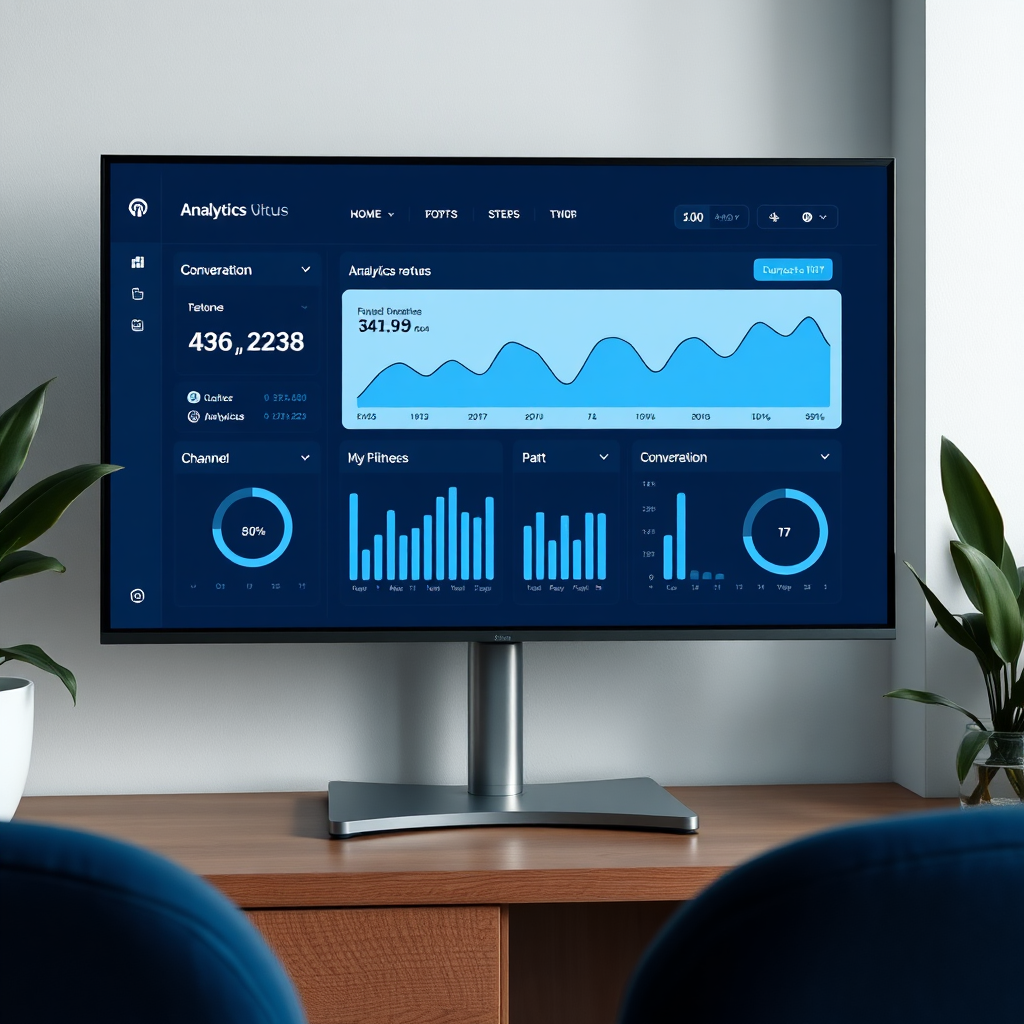
Analytics dashboard with funnel metrics

Practical Explanations

  1. Outline your ideal customer profile (ICP) and map their journey from awareness to conversion.
  2. Create a content plan that aligns offers with buyer intent stages (awareness, consideration, decision).
  3. Build a lightweight CRM workflow to capture lead sources, engagement, and next actions.
  4. Set up automated, timely follow-ups that feel personalized and contextual.
  5. Review metrics monthly and adjust messaging, channels, and offers accordingly.

Pro-tip: Keep formats consistent across channels to reduce cognitive load and boost recognition.

Real-world Examples

C1

Small Biz Lead Engine: 3x Conversion Lift

A small services firm implemented a focused landing page plus nurture flow, achieving a threefold increase in qualified leads within 90 days.

Case study dashboard with rising leads
Snapshot: optimized landing page, targeted content, and a succinct nurture sequence.
C2

B2B SaaS: From Organic to Qualified Pipeline

A SaaS company aligned SEO and gated resources with automated follow-ups, delivering a steady stream of Marketing Qualified Leads (MQLs).

Case study: SEO-led lead generation results
Snapshot: content strategy and conversion-optimized resources boosted visibility.

Benefits for Businesses

  • Predictable pipeline and improved marketing ROI.
  • Improved customer understanding through data-driven insights.
  • Faster time-to-value with repeatable processes and playbooks.
  • Better alignment between marketing and sales teams.

Conclusion

A well-architected lead generation system combines clear messaging, a frictionless funnel, and measurable optimization. It’s not about a single tactic; it’s about a repeatable framework you can scale as your business grows.

By aligning content, automation, and analytics, you can attract better prospects, shorten the sales cycle, and demonstrate tangible value to stakeholders.

Summary

Lead generation systems are about discipline and clarity. Combine a strong value proposition, frictionless conversion paths, and automated nurturing, then measure, learn, and adapt. The result is a scalable engine for growth.

Ready to optimize your lead generation?

Get expert guidance and a bespoke plan tailored to your business goals.

Get Professional Help

Contact

Please reach out to discuss your project and receive a tailored strategy outline.